Mental wellness support that meets your students where they are.
MindHaven is a culturally responsive mental wellness platform built with 16+ years of Brooklyn youth development experience. Designed for the students most platforms overlook.
Free pilots for qualifying nonprofits and Title I schools.
The students who need help most are the hardest to reach.
Generic wellness apps weren't built with your students in mind — and it shows in adoption.
42%
of high school students reported persistent feelings of sadness or hopelessness in the most recent CDC YRBS.
<1 in 3
youth experiencing a mental health condition receive any care — even fewer in low-income communities of color.
1 counselor
serves 385 students on average in U.S. public schools — far above the recommended 250:1 ratio.
Sources: CDC Youth Risk Behavior Survey; U.S. Surgeon General Advisory on Youth Mental Health; American School Counselor Association staffing reports.
Why MindHaven works where other apps don't
Built by a Brooklyn youth development practitioner — not a Bay Area wellness brand.
Culturally responsive content
Stories of Hope feature Black, Latino, LGBTQ+, and immigrant voices — students see themselves in recovery, not erased from it.
AI that remembers each student
Our AI companion pulls in mood trends, journal context, and program progress so check-ins build on each other instead of restarting cold.
Structured guided programs
7-Day Anxiety Reset, Building Self-Worth (14d), First 30 Days — 51 days of evidence-informed daily practice, not just chatbot vibes.
Real crisis protocol
Every page surfaces 988, Crisis Text Line, and SAMHSA. Not buried in settings — always one tap away.
Free core features, forever
Mood tracking, journaling, breathing, crisis resources, and 5 AI chats/day are free. No paywall on the things students need most.
Installable as a phone app
Works on any phone as a Progressive Web App — no app store gatekeeping, no parent permissions blocking access.
What students get
- 24/7 AI companion that remembers them
- 51 days of structured wellness programs
- Daily mood check-ins with insight visualizations
- Guided, gratitude, thought-record, and free-form journaling
- Three breathing techniques (cached for offline use)
- Resource library with 15 mental health articles
- Crisis support always one tap away
- Stories of Hope from people who look like them
What administrators get
- Bulk seat licensing for your students or members
- A safe, vetted resource you can refer students to
- Crisis protocol that points to real helplines, not a black box
- Onboarding support and student rollout materials
- Direct line to the founder — feedback shapes the roadmap
- No advertising, no data selling, no surveillance
- Pilot pricing for qualifying nonprofits and Title I schools
Where we are right now
We will not pretend to be further along than we are. Here is the honest status — what is live and stable today, what we are actively piloting, and what is on the roadmap.
Student-facing platform
- • AI companion with memory of mood/journal context
- • Mood tracker with trend visualizations
- • 4-mode journaling (guided, gratitude, thought-record, free-form)
- • Stanley-Brown safety plan builder + print-to-PDF
- • Crisis Support hub (988, 741741, SAMHSA, geo-aware lines)
- • Resource library with 15 SSG mental health articles
- • Find-a-Therapist directory aggregating 22 vetted directories
- • 5 community hubs (Black, Latino, AAPI, LGBTQ+, Indigenous)
- • 6 hope stories — read & submit, with safety review
- • Installable as a PWA — works on any phone
School cohort experience
- • Custom signup links for student cohorts
- • Parent letter + onboarding workshop materials
- • Aggregate, anonymous usage reporting for admins
- • Mid-pilot check-in protocol with counselors
- • End-of-semester impact report
We are intentionally working with a small first cohort to get this right before opening it broadly.
Coming next
- • HIPAA compliance review
- • SSO integration (Google Workspace for Education, Clever)
- • Dedicated counselor dashboard with referral flagging
- • Spanish UI translation (content is already bilingual where it matters)
- • Multi-school district admin view
What a pilot actually looks like
No mystery. Here is the full pilot playbook in four phases.
Kickoff
A 60-minute call with you and your counseling team. We define the cohort, agree on success signals (engagement, counselor referrals, student feedback), and align on what crisis flags trigger which response.
Rollout
Custom signup link for students, an editable parent-information letter, and a 30-minute onboarding workshop you run with your students. We provide the script.
Mid-pilot check-in
Aggregate (no individual student data) usage report. 30-minute call with counselors to surface what is working and where students are getting stuck.
Impact report
Final aggregated report — engagement patterns, anonymous themes from journaling/AI usage, counselor observations. Decision point: continue with per-seat licensing or wind down with no commitment.
Transparent pilot pricing
No discovery-call gating. Here is what it costs, up front.
Free
Full access for your cohort, kickoff call, rollout materials, mid-pilot check-in, and end-of-semester impact report. For qualifying nonprofits and Title I schools.
Per-seat · annual
Final per-seat number is set with each partner based on cohort size, Title I status, and what your students actually need. We share the math openly — no surprise add-ons.
$0
Even if your school does not continue past the pilot, every student keeps free access to crisis support, the safety plan builder, and the core wellness toolkit — forever, no card required.
Questions schools always ask
What student data do administrators see?
Aggregate, anonymous usage only — total engagement, popular features, broad themes from anonymized journaling/AI usage. Administrators do not see individual student journals, AI chats, or mood entries. Students own their data and can export or delete it at any time.
Are you HIPAA / FERPA / COPPA compliant?
MindHaven is a wellness companion, not a clinical EHR — we are not currently HIPAA-certified and we tell schools that up front. We follow FERPA-aligned practices around aggregate-only reporting and student data ownership. We do not market to anyone under 13 and we follow COPPA guidelines for any student under 13 that schools onboard.
How do you handle a real crisis flag?
Crisis support routing is built into the product, not bolted on. Every page surfaces 988 (call or text) and Crisis Text Line (HELLO to 741741), and the AI companion is configured to surface these resources immediately when language indicates risk. We can also configure a counselor referral path during pilot kickoff so flags reach your team — not a black box.
Does this replace our school counselors?
No, and we are explicit about that with students. MindHaven is a between-sessions companion: a place to journal, breathe, track mood, and get baseline support 24/7. It is designed to make counselor time more effective, not to replace it.
Do you support Spanish-speaking students and families?
Spanish-speaking crisis lines (988 Español), Spanish-speaking therapist directories, and Latino-led mental health organizations are first-class on the platform — see our Latino mental health community hub. Full Spanish UI translation is on the roadmap; the safety-critical pieces (crisis routing) are bilingual today.
What if our students do not have phones at home?
MindHaven runs in any browser as a Progressive Web App, so it works on Chromebooks, school iPads, and any shared device. Breathing exercises and crisis resources are cached for offline use.
How long does it take to roll this out?
A typical pilot kickoff to first student signup takes 7–10 days. The 30-minute student onboarding workshop fits inside an existing health, advisory, or homeroom block.
Who is behind MindHaven?
MindHaven is a product of Working Wonders Starting Home Inc. (WWSH), a 501(c)(3) nonprofit founded by Lamont Kirton, with 16+ years of Brooklyn youth development experience. Every product decision goes through a youth-development lens before it ships.
Privacy, safety, and honesty
We tell schools the truth about what MindHaven is — and isn't.
What we are
- • A wellness companion: mood tracking, journaling, breathing, AI conversation, crisis resources
- • Privacy-first: students export or delete their data anytime
- • Transparent about AI: not a therapist, not a diagnostic tool
- • Built with input from 16+ years of Brooklyn youth development work
What we are not
- • Not a replacement for licensed therapy or a school counselor
- • Not currently HIPAA-certified — we're a wellness tool, not a clinical EHR
- • Not a surveillance tool — admins do not see individual student journals or chats
- • Not free of cost forever for institutions; pilot pricing turns into per-seat licensing
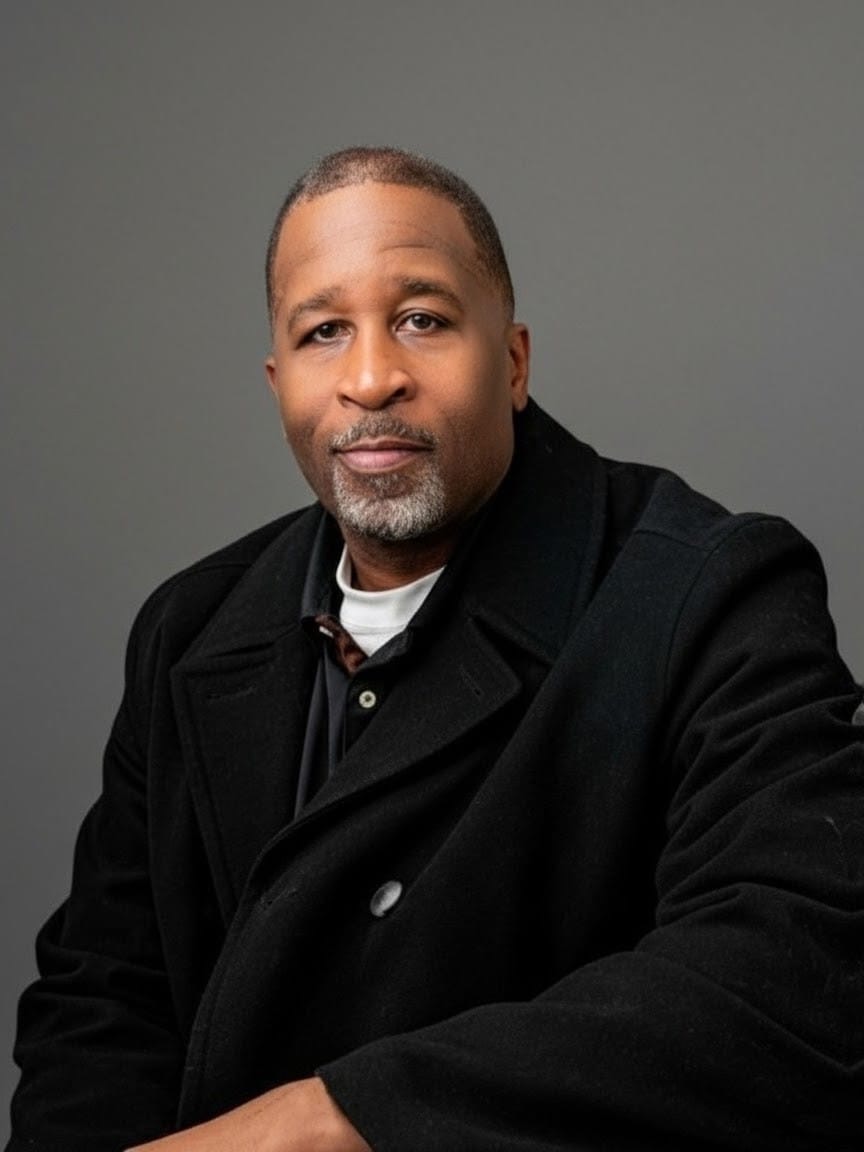
Lamont Kirton
Founder, MindHaven
"I spent 16 years coaching and mentoring Brooklyn youth before I built MindHaven. Every feature in this product comes from a conversation I had with a kid who didn't have anywhere to put what they were carrying."